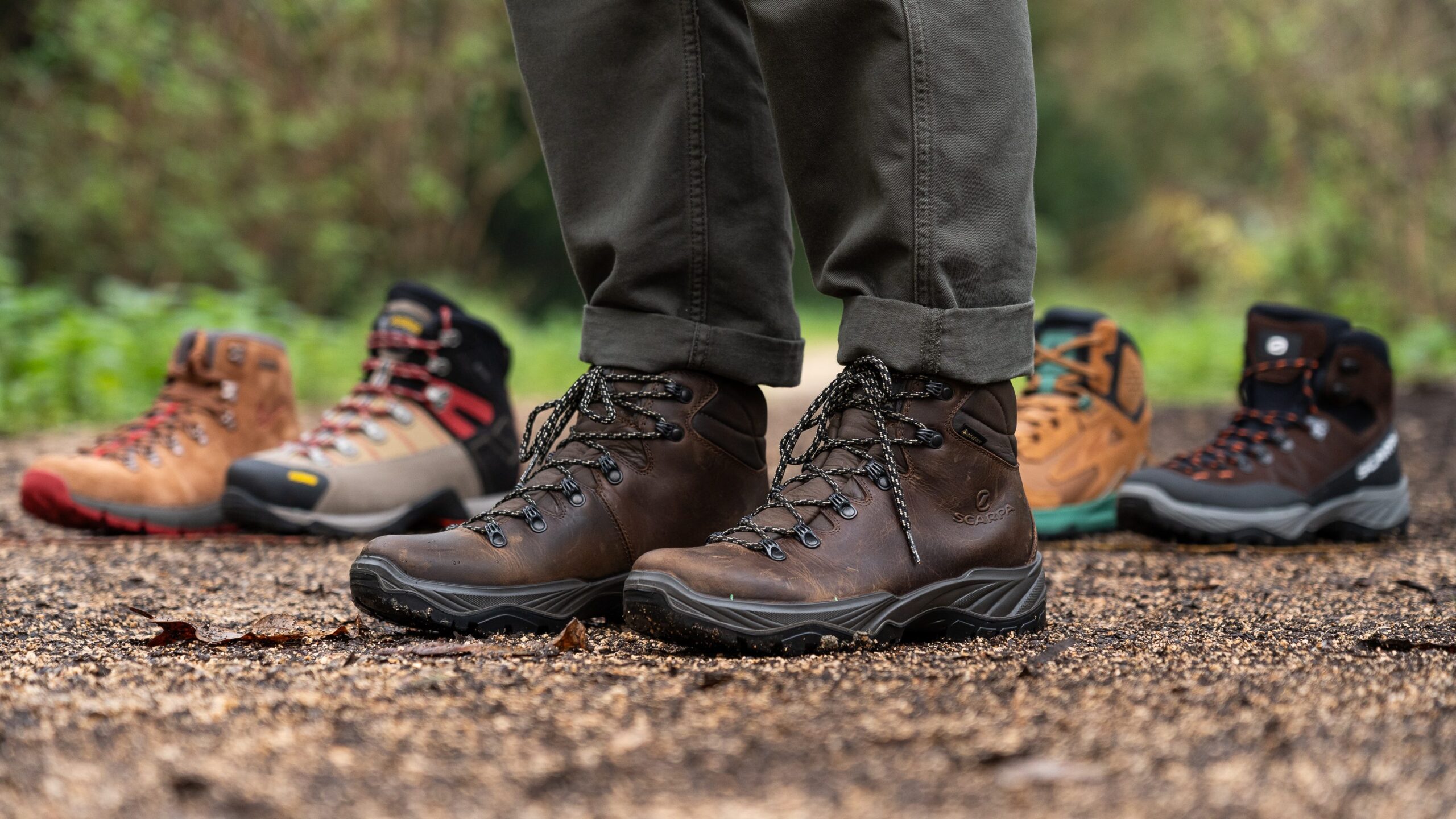
Hiking work boots are a type of footwear designed specifically for the rigors of hiking and work in rugged outdoor environments. They are typically made from durable materials such as leather or nylon and feature sturdy construction, supportive ankle support, and slip-resistant outsoles.
Hiking work boots offer a number of important benefits for hikers and outdoor workers. They provide protection from the elements, such as rain, snow, and mud, and can help to prevent injuries from slips, falls, and ankle sprains. Additionally, hiking work boots can provide support and stability on uneven terrain, making them ideal for long hikes or workdays spent on your feet.
The history of hiking work boots can be traced back to the early days of mountaineering. In the late 19th century, climbers began to wear heavy leather boots with hobnails to provide traction on icy and snowy terrain. Over time, these boots evolved into the modern hiking work boots that we know today.
1. Durability
Durability is a key aspect of hiking work boots, as they are designed to withstand the rigors of rugged outdoor environments. The materials used in the construction of hiking work boots, such as leather and nylon, are chosen for their durability and ability to protect the feet from the elements. Additionally, the construction of hiking work boots is typically sturdy, with reinforced toes and heels to provide additional protection. The outsoles of hiking work boots are also designed to be durable and slip-resistant, providing traction on a variety of surfaces.
The durability of hiking work boots is essential for hikers and outdoor workers, as it helps to protect their feet from injuries and the elements. Durable hiking work boots can last for many years, even with regular use in rugged conditions, making them a worthwhile investment for anyone who spends time outdoors.
Here are some examples of the importance of durability in hiking work boots:
- Durable hiking work boots can protect the feet from sharp rocks, roots, and other hazards on the trail.
- Durable hiking work boots can help to prevent ankle sprains and other injuries by providing support and stability.
- Durable hiking work boots can keep the feet dry and comfortable in wet and muddy conditions.
- Durable hiking work boots can last for many years, even with regular use in rugged conditions, making them a worthwhile investment.
2. Support
Support is a key aspect of hiking work boots, as they are designed to provide ankle support and stability on uneven terrain. This is important for preventing ankle sprains and other injuries, which can be common on hiking trails. Hiking work boots typically have a high-top design that provides support for the ankles, and they often have features such as ankle straps or lacing systems that can be tightened to provide additional support.
The support provided by hiking work boots is essential for hikers and outdoor workers, as it helps to protect their feet and ankles from injuries. Hiking work boots can also help to reduce fatigue, as they provide support for the feet and ankles, which can help to prevent the muscles from becoming tired. Additionally, hiking work boots can help to improve balance and stability on uneven terrain, which can be important for preventing falls.
Here are some examples of the importance of support in hiking work boots:
- Hiking work boots can help to prevent ankle sprains and other injuries by providing support and stability.
- Hiking work boots can help to reduce fatigue by providing support for the feet and ankles.
- Hiking work boots can help to improve balance and stability on uneven terrain, which can be important for preventing falls.
3. Protection
Protection is a key aspect of hiking work boots, as they are designed to shield the feet from the elements, hazards, and injuries that can be encountered on hiking trails and worksites. This protection is essential for keeping hikers and outdoor workers safe and comfortable, and it can help to prevent injuries and accidents.
- Protection from the elements: Hiking work boots are typically made from waterproof and breathable materials, which help to keep the feet dry and comfortable in wet and cold conditions. They also often have features such as insulation and padding, which can help to protect the feet from the cold.
- Protection from hazards: Hiking work boots are designed to protect the feet from hazards such as sharp rocks, roots, and thorns. They typically have a sturdy construction and reinforced toes and heels, which can help to prevent injuries from these hazards.
- Protection from injuries: Hiking work boots can help to prevent injuries such as ankle sprains and fractures. They typically have a high-top design that provides support for the ankles, and they often have features such as ankle straps or lacing systems that can be tightened to provide additional support.
The protection provided by hiking work boots is essential for hikers and outdoor workers, as it helps to keep them safe and comfortable on the trail and at the worksite. Hiking work boots can help to prevent injuries and accidents, and they can also help to reduce fatigue and improve performance.
4. Traction
Traction is a key aspect of hiking work boots, as it allows hikers and outdoor workers to navigate challenging terrain safely and confidently. Slip-resistant outsoles are essential for providing traction on a variety of surfaces, including wet, muddy, and icy terrain. This is important for preventing slips and falls, which can lead to serious injuries.
The outsoles of hiking work boots are typically made from rubber or other durable materials that provide good traction. They often have deep lugs or treads that help to grip the ground and prevent slipping. Some hiking work boots also have features such as metal cleats or studs for added traction on icy or muddy terrain.
The traction provided by hiking work boots is essential for hikers and outdoor workers, as it helps to keep them safe and stable on their feet. This is especially important in wet, muddy, or icy conditions, where the risk of slipping and falling is increased. Traction also helps to reduce fatigue, as it allows hikers and outdoor workers to walk and work without having to worry about slipping or falling.
Here are some examples of the importance of traction in hiking work boots:
- Hiking work boots with slip-resistant outsoles can help to prevent slips and falls on wet, muddy, and icy terrain.
- Hiking work boots with good traction can help to reduce fatigue by allowing hikers and outdoor workers to walk and work without having to worry about slipping or falling.
- Hiking work boots with traction can help to improve balance and stability on uneven terrain, which can be important for preventing falls and injuries.
Overall, traction is a key aspect of hiking work boots, as it helps to keep hikers and outdoor workers safe and stable on their feet. Slip-resistant outsoles are essential for providing traction on a variety of surfaces, and they can help to prevent slips and falls, reduce fatigue, and improve balance and stability.
5. Comfort
Comfort is a key aspect of hiking work boots, as they are designed to be worn for extended periods of time without causing discomfort or fatigue. This is important for hikers and outdoor workers who spend long hours on their feet, as it can help to prevent blisters, foot pain, and other problems.
Hiking work boots are designed with a number of features to enhance comfort, including:
- Cushioned insoles: These insoles help to absorb shock and provide support for the feet.
- Breathable materials: These materials allow air to circulate around the feet, helping to keep them cool and dry.
- Ergonomic design: Hiking work boots are designed to conform to the shape of the foot, providing a comfortable fit.
The combination of these features makes hiking work boots ideal for extended wear, as they can help to reduce fatigue and keep the feet comfortable even after long hours of use. This is important for hikers and outdoor workers who need to be able to stay on their feet all day long.
In addition to the benefits for hikers and outdoor workers, comfortable hiking work boots can also benefit people who work in other industries, such as construction, manufacturing, and transportation. Anyone who spends long hours on their feet can benefit from the comfort and support that hiking work boots provide.
Frequently Asked Questions about Hiking Work Boots
This section addresses common questions and concerns regarding hiking work boots, providing informative answers to help you make informed decisions.
Question 1: What are the key features to look for in hiking work boots?
Answer: When selecting hiking work boots, consider factors such as durability, support, protection, traction, and comfort. Look for boots made from sturdy materials, offer ankle support, protect against hazards, provide slip-resistant outsoles, and prioritize comfort for extended wear.
Question 2: How do hiking work boots differ from regular hiking boots?
Answer: Hiking work boots are specifically designed to combine the support and protection of work boots with the comfort and flexibility of hiking boots. They typically feature reinforced construction, enhanced ankle support, and slip-resistant outsoles suitable for demanding work environments while maintaining hiking-specific features like breathability and cushioning.
Question 3: What types of terrains are hiking work boots suitable for?
Answer: Hiking work boots are versatile footwear designed to handle various terrains encountered during hiking and work activities. They provide stability on uneven trails, protect against hazards in rugged environments, and offer traction on slippery or muddy surfaces. Whether navigating rocky paths, crossing streams, or working on construction sites, hiking work boots provide reliable support and protection.
Question 4: How should hiking work boots fit?
Answer: Proper fit is crucial for comfort and performance. Hiking work boots should fit snugly without causing discomfort or blisters. Ensure there’s enough room to wiggle your toes and that the heel doesn’t slip when walking downhill. Wear your intended hiking socks during the fitting process to ensure a comfortable fit during actual use.
Question 5: How often should hiking work boots be replaced?
Answer: The frequency of replacement depends on usage and care. With proper maintenance, including regular cleaning and conditioning, hiking work boots can last several years. However, factors such as the frequency and intensity of use, terrain conditions, and storage practices can affect their lifespan. Inspect your boots regularly for signs of wear and replace them when necessary to ensure optimal performance and safety.
Question 6: What are some tips for maintaining hiking work boots?
Answer: Regular maintenance is essential to extend the life of your hiking work boots. Clean them after each use to remove dirt and debris, and dry them thoroughly to prevent mold or mildew. Use leather conditioner or waterproofing spray to protect the materials and maintain their performance. Additionally, replace worn-out laces and consider using insoles for added comfort and support.
In summary, hiking work boots offer a unique combination of durability, support, protection, and comfort, making them ideal for both hiking and work activities. By understanding their key features, suitability for different terrains, proper fit, maintenance tips, and replacement considerations, you can select and care for hiking work boots that meet your specific needs and ensure optimal performance and longevity.
Transition to the next article section:
Hiking Work Boots
Hiking work boots are a crucial piece of gear for outdoor enthusiasts and professionals alike. Properly caring for and utilizing these boots can significantly enhance their performance and extend their lifespan. Here are some essential tips to help you get the most out of your hiking work boots:
Tip 1: Choose the Right Boots for Your Needs
Selecting the appropriate hiking work boots is paramount. Consider factors such as the type of terrain you’ll encounter, the level of support and protection required, and your personal comfort preferences. Different materials, construction methods, and features cater to specific needs. Research and consult experts to find the ideal boots for your intended use.
Tip 2: Break In Your Boots Gradually
New hiking work boots often require a break-in period to mold to your feet and minimize discomfort. Wear your boots for short periods initially and gradually increase the duration and intensity of use. This allows the materials to conform to your feet’s unique shape, reducing the risk of blisters and pressure points.
Tip 3: Clean and Maintain Your Boots Regularly
Regular cleaning and maintenance are crucial for preserving the performance and longevity of your hiking work boots. After each use, remove dirt and debris with a soft brush or cloth. Use a mild soap solution to clean the boots thoroughly, taking care not to saturate the leather. Allow them to dry naturally, away from direct heat sources, and apply leather conditioner to protect and the materials.
Tip 4: Waterproof and Protect Your Boots
Waterproofing your hiking work boots is essential for keeping your feet dry and comfortable in wet conditions. Apply a waterproofing spray or treatment specifically designed for leather or fabric boots. Reapply the treatment regularly, especially after exposure to heavy rain or snow. Additionally, consider using gaiters to further protect your boots and keep debris out.
Tip 5: Replace Worn Components Promptly
Over time, even the most durable hiking work boots will show signs of wear. Regularly inspect your boots and replace worn components such as laces, insoles, and outsoles. Worn laces can compromise the fit and support of your boots, while deteriorated insoles can reduce cushioning and comfort. Replacing the outsoles when they become excessively worn will restore traction and prevent slips and falls.
Tip 6: Store Your Boots Properly
Proper storage helps preserve the condition of your hiking work boots. When not in use, store them in a cool, dry place away from direct sunlight. Use boot trees or stuff the boots with newspaper to help them retain their shape. Avoid storing wet or dirty boots, as this can lead to mold, mildew, and damage to the materials.
Summary of Key Takeaways:
- Choosing the right hiking work boots for your specific needs is essential for optimal performance and comfort.
- Breaking in your boots gradually and maintaining them regularly will extend their lifespan and prevent discomfort.
- Waterproofing your boots and replacing worn components promptly will keep them in good condition and enhance their protective qualities.
- Proper storage practices will help preserve the materials and prevent damage to your hiking work boots.
By following these tips, you can ensure that your hiking work boots provide reliable support, protection, and comfort for many adventures and workdays to come.
Transition to the article’s conclusion:
Conclusion
Hiking work boots are a vital piece of equipment for anyone who ventures into challenging outdoor environments or works in demanding conditions. Their unique combination of durability, support, protection, traction, and comfort makes them an essential tool for hikers, outdoor workers, and professionals alike.
Throughout this exploration of hiking work boots, we have highlighted their key features, emphasizing the importance of selecting the right boots for your specific needs. We have also provided valuable tips for breaking in, maintaining, and storing your boots to ensure optimal performance and longevity. By following these guidelines, you can maximize the benefits of your hiking work boots and enjoy years of reliable protection and comfort.
As you embark on your next adventure or work project, remember the indispensable role that hiking work boots play in keeping you safe, supported, and comfortable. Invest in a quality pair of boots that meet the demands of your activities, and experience the difference they make in your outdoor endeavors.